

If your business is a side project with a limited budget, you can probably get by going the DIY route. You might still consider consulting with a CPA or https://www.bookstime.com/articles/accounting-florida bookkeeper at the beginning, just to make sure you’re doing everything right. Most accounting software today is based on double-entry accounting, and if you ever hire a bookkeeper or accountant to help you with your books, double-entry is what they’ll use. Mixing together personal and business expenses in the same account can also result in unnecessary stress when you need to file taxes or do your bookkeeping.
- Proper record-keeping for small businesses makes the process easier and keeps you compliant with the law.
- As a business owner, you are faced with business decisions day in and day out.
- Equity refers to the amount of capital invested by an owner or owned by a shareholder.
- This account deals with the money that your business owes to vendors, contractors, and other parties.
- This information is then transferred to a ledger and can be used to create financial statements.
- T-accounts are also known as ledger accounts named after the visual representation of how bookkeeping entries are recorded.
Qualifying for Research and Development Tax Credits
Whether you’re an established or new business owner, here income statement are seven bookkeeping processes to follow. This account deals with the money that your business owes to vendors, contractors, and other parties. An accounts payable account gives you a clear and simplified view of when your payments are due and helps you avoid duplicate payments. Finding the right person to suit your business’s needs may also take some time and effort. The above systems are all essential to bookkeeping basics, but are not limited to these few.
Gaining Financial Clarity

At least once a week, record all financial transactions, including incoming invoices, bill payments, sales, and purchases. You may do this every month, but at the very least, balance and close your books every quarter. Now that you’ve balanced your books, you need to take a closer look at what those books mean.
Basic Difference: Bookkeeping vs Accounting

Cash covers both physical and electronic money (such as transferred funds). Some businesses start off by using the cash basis and as they grow, they shift to the bookkeeping 101 accrual basis of accounting. Equity refers to the ownership of the business owners and investors in the company.
- At the beginning of the year, take a look at the list of deductible expenses and determine which categories you’re most likely to spend money in.
- When all the balances have been properly adjusted, one can finally prepare the financial statements.
- Your goal in bookkeeping is to keep the most accurately detailed account of business financials.
- Our Financial Statements Video Training teaches you the fundamental components of the balance sheet, income statement, and cash flow statement.
- Our Bookkeeping Video Training includes everything you need to know as a beginner starting out in bookkeeping.
- You also may be able to prevent or uncover fraud, whether from customers, vendors, or employees.
- In general, liquidity refers to how easy it would be for you to convert an asset into cash.
Bookkeeping 101: A Business’s Guide to the Basics
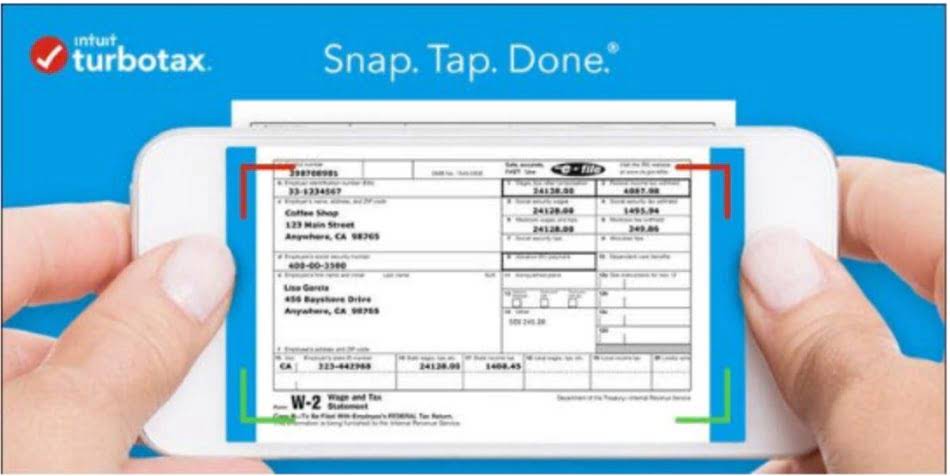
But for the sake of explaining the basics of bookkeeping, here are the first seven steps you’ll need to walk through to get your bookkeeping machine humming. If you’re a small-business owner, you’re probably used to doing everything yourself. You’ve used your entrepreneurial prowess to produce a product or service that your customers need.
Bookkeeping Basics
The pointis to give you a rounded picture of where your money is going, and to help youavoid making mistakes. Itmakes sense, because every business transaction is an exchange of one thing foranother. The double-entry system shows exactly how that exchange took place,and what the results were. Recording financial transactions is smoother with the right tools. Mastering these core bookkeeping tasks keeps your finances up to date and your business financially healthy.

Join over 3,400 global companies that choose Coursera for Business
Learn the basics of bookkeeping and why it’s important for your business. Keeper is the top-rated all-in-one business expense tracker, tax filing service, and personal accountant. Know that you must record each and every debit and credit financial transaction, no matter how small it might be.
Step 3: Reconcile Transactions
QuickBooks Online users can choose QuickBooks Live Bookkeeping to get year-round access to verified experts who are focused on their success. From the start, business owners can get personalized answers to questions and spend less time on their books. Tracking your expenses is an essential part of managing your finances. By keeping track of every dollar you spend, you can gain insight into where your money is going and make informed decisions about allocating your resources.